
NSLN Central Event
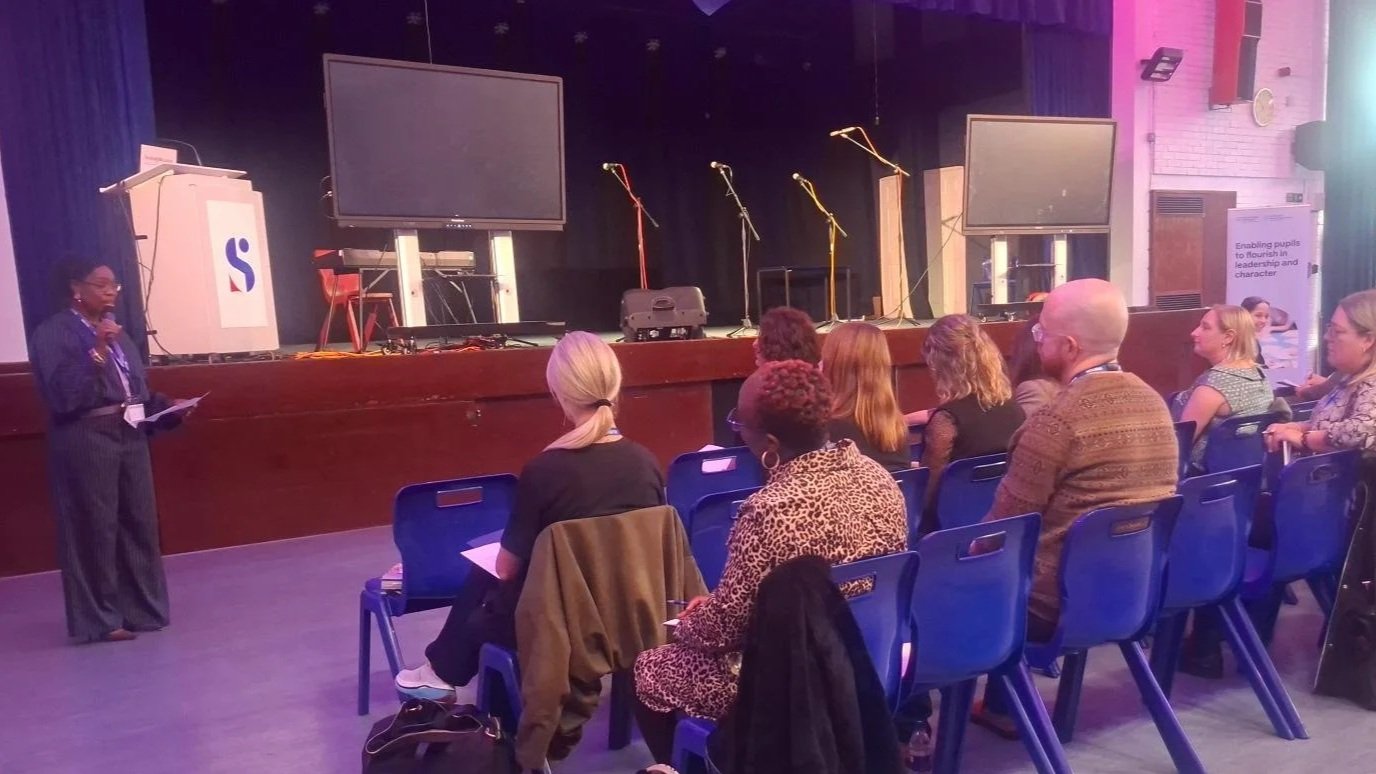
“Wisdom at the Core” – Inclusion as the Thread of a Flourishing School
Welcome to CEOs, Headteachers, SLT, Safeguarding Leads, SENDCOs, Parish Partners, Governors
Wisdom at the Core: Inclusion as the Thread of a Flourishing School
As school leaders, we are often faced with competing priorities, urgent decisions and growing pressures. Yet, amidst all the complexity of leading a school, one of the most important questions remains remarkably simple:
"Who are the children we do not see?"
That question sat at the heart of the latest National Secondary Leaders Network gathering, as school leaders from across the country came together at Stepney All Saints Church of England School to explore the theme: "Wisdom at the Core: Inclusion as the Thread of a Flourishing School."
This year feels particularly significant. As we mark ten years since the launch of the Church of England's Vision for Education, there was a natural opportunity to reflect on how far we have come and, perhaps more importantly, where God is calling us next.
A shared commitment to flourishing
There was also space to recognise the contribution of Andy Wolfe, former Interim CEO and Chief Executive Officer, whose vision and leadership were instrumental in establishing the National Secondary Leaders Network. For many in the room, the network itself is part of his legacy: a community where leaders learn from one another, challenge one another and work together in pursuit of schools where children can flourish.
As delegates looked ahead to the next chapter of Church school leadership, a challenge emerged that would run throughout the day:
“How do we create cultures where every child feels seen, valued and able to belong?”
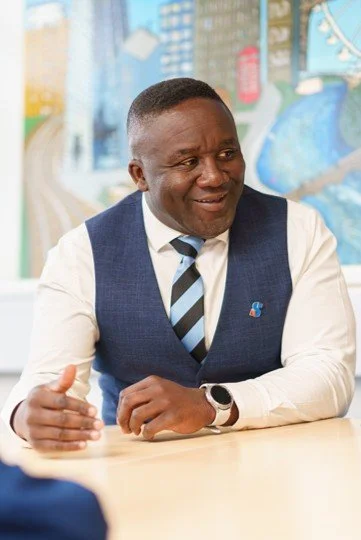
Benjamin Siaw
Headteacher of Stepney All Saints Church of England School
Our first keynote came from Benjamin Siaw, Headteacher of Stepney All Saints Church of England School, who offered a compelling vision of inclusion through the lens of belonging.
His challenge was straightforward: "Can every pupil say: There is a place for me here?"
A young person at the school reminded us that diversity alone does not guarantee belonging, but “belonging feels like warmth, pushing your forward.”
Throughout the day, this idea resurfaced repeatedly. Inclusion is not simply about who is present in our schools. It is about who genuinely experiences belonging within them.
“Every Voice, Every Child, Every Chance”
The morning keynote from Beccy Earnshaw, Interim CEO of The Difference, challenged leaders to pay attention to the pupils who can too easily become invisible within our systems.
Through research, case studies and practical examples, she explored the concept of "lost learning" and encouraged leaders to look beyond attendance figures and exclusion data to recognise the hidden barriers many children face.
A recurring theme was the importance of noticing early signs of struggle and responding relationally rather than reactively.
Three questions stayed with many delegates:
Who is the child we cannot see and do not hear?
What happens when a child's need comes and goes?
What does it look like when a school notices early?
The message was clear: flourishing schools are built when adults notice sooner, listen more carefully and create systems that ensure no child falls through the gaps.
“Walk in My Shoes”
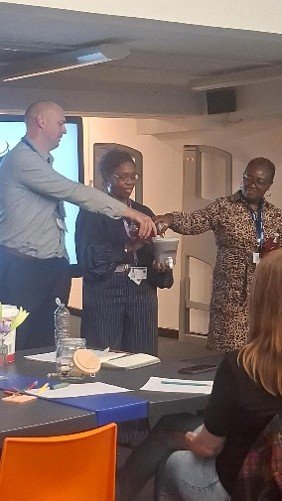
The workshop sessions invited delegates to move from theory to experience.
In “Walk in My Shoes", Dr Donna-Marie Holder led powerful simulations exploring dyslexia, autism, sensory overload and the experiences of pupils learning English as an additional language. These immersive activities challenged participants to see familiar school experiences from entirely different perspectives
Meanwhile, Bennie Kara's workshop on “The Invisible Students" focused on young carers, persistently absent pupils, refugee learners and LGBT and gender-questioning students. Delegates considered how schools can better identify and support those whose needs often remain hidden in plain sight.
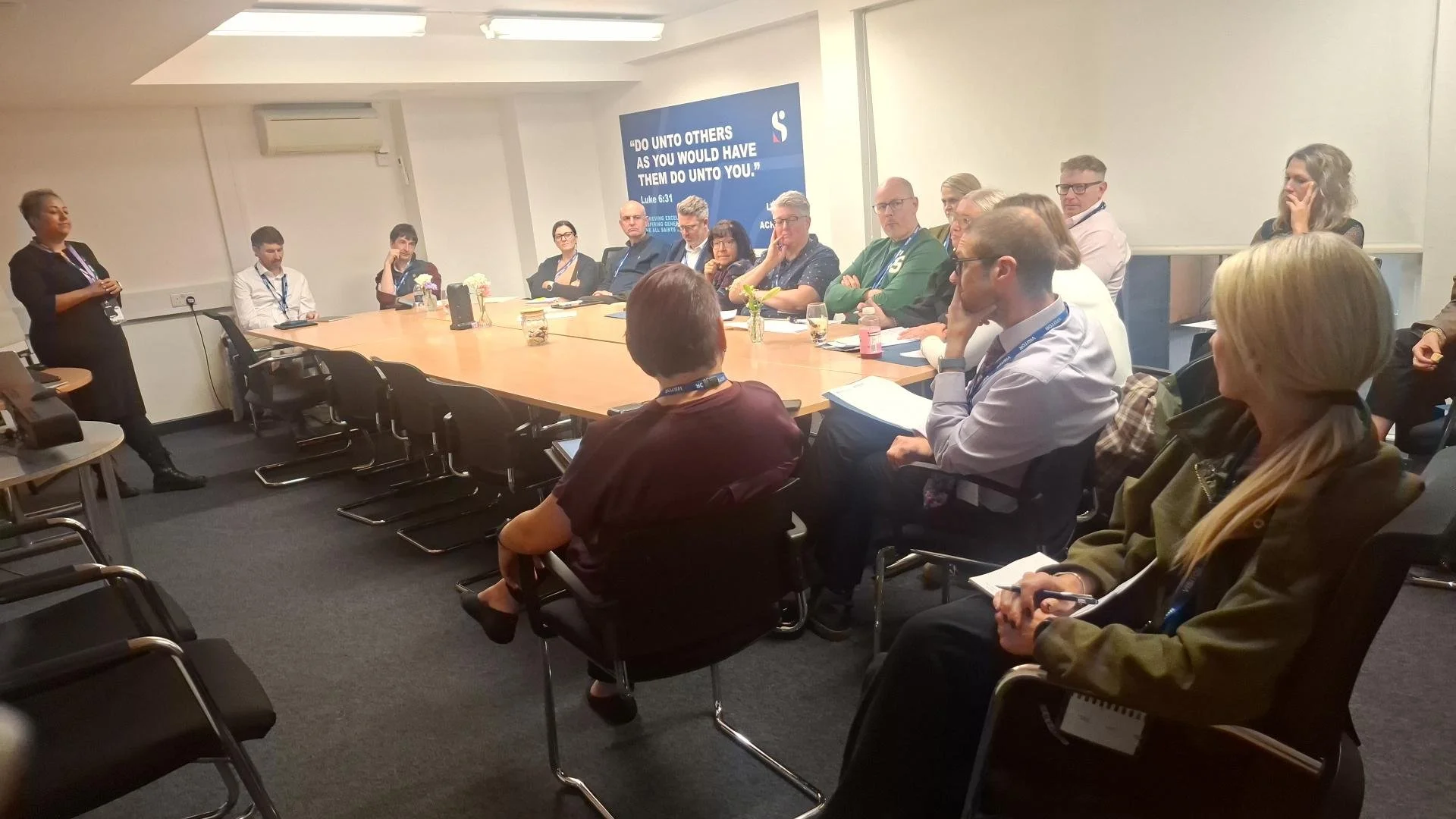
Looking ahead
These conversations matter because inclusion is not an additional priority sitting alongside school improvement. It is woven through everything. It shapes how we design curriculum, how we respond to behaviour, how we engage families, how we develop staff and how we build communities where every child can thrive.
As delegates left Stepney and while the Steel Pan Orchestra played, there was a strong sense that the day had not provided a definitive answer. Instead, it offered something more valuable: an invitation to keep asking difficult questions.
What would it look like if belonging became a design principle rather than an intervention?
What if every policy, curriculum decision and leadership conversation were viewed through the lens of flourishing for all?
Because wisdom begins not with certainty, but with curiosity: the willingness to ask who is missing, who is unheard, and what more we can do to help every child flourish.
Remember to register for the next in-person event on the 4th February 2027